01
What Slim Sliding Doors Actually Are and How They Differ
A slim sliding door is a floor-to-ceiling or large-aperture glazing system built around an aluminum frame profile of 35–55 mm visible width, compared to the 80–120 mm profiles found on standard sliding doors.
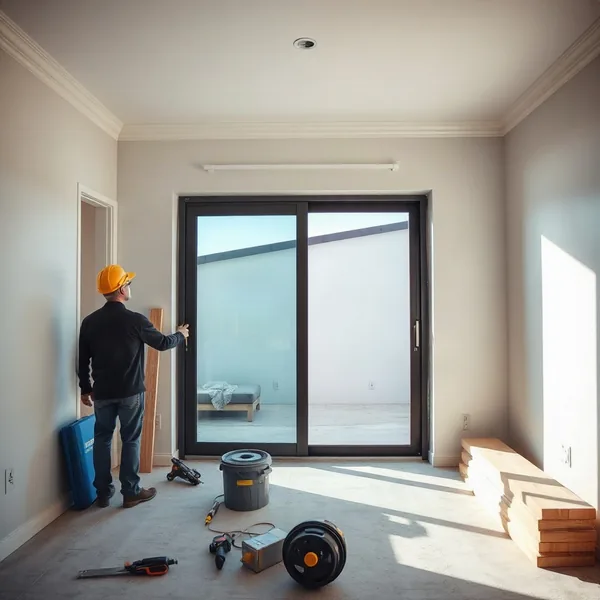
The narrow sightline maximizes the glazed surface area, letting in more light and preserving unobstructed views across a garden, pool terrace, or open-plan living space. Panels run on a precision roller-and-track assembly rated for panel weights between 80 kg and 300 kg per leaf, depending on glass thickness. In Dubai villa settings — where rear terraces often connect directly to garden or pool areas — slim profiles have replaced conventional aluminum sliding units in most new-build and renovation briefs since roughly 2018.
02
Glass and Frame Specifications for Dubai's Climate
Dubai's summer ambient temperatures regularly exceed 45 °C, with exposed glass surfaces climbing significantly higher under direct sun.
Standard temperate-climate PVC or low-grade aluminum frames expand unevenly at those temperatures, distorting roller alignment and cracking perimeter seals within one or two seasons. We specify 6063-T5 or 6061-T6 aluminum alloy with a 1.4 mm minimum wall thickness and thermally broken frame sections for any slim sliding door installation facing south or west. Glass is either 10 mm or 12 mm toughened low-iron, with an optional ceramic-frit solar-control coating that reduces heat gain by up to 40 percent. Every sealant compound we use carries a manufacturer rating to 120 °C continuous service, not the 70 °C rating common in imported off-the-shelf hardware.
03
Managing Hard Water and Humidity on Glass Tracks
Dubai's municipal water supply from DEWA is desalinated seawater carrying 500–700 mg/L total dissolved solids.
On untreated glass, that mineral load leaves a white-scale film within weeks of regular contact — a particular problem around bottom tracks where condensation pools. We address this at the installation stage by applying a hydrophobic nano-coating to all interior glass faces, which reduces water adhesion and extends the interval between descaling cleans from two weeks to roughly four to six weeks. Humidity on summer nights regularly spikes above 90 percent, accelerating corrosion inside unprotected track channels; our installations use 316-grade stainless steel rollers and hardware fixings throughout, not zinc-plated components, which pit visibly within 12–18 months in Dubai's condensation cycles.
04
Dust Storms and Scratch-Resistant Glazing Selection
Shamal wind events between May and July carry fine silica particulate that acts as an abrasive on uncoated glass surfaces and within sliding door tracks.
Over one to three seasons, unprotected glass develops a micro-scratch haze that scatters light and is impossible to polish out without replacement. We specify a minimum surface hardness of 7H on any glass coating used in outward-facing slim sliding door panels. Track systems are sealed with brush-pile or magnetic seals rated for particle exclusion below 0.3 mm, and weep holes are fitted with removable mesh inserts to allow post-Shamal cleaning without disassembling the frame. We also provide clients with a written maintenance schedule that specifies vacuuming tracks with a soft-brush attachment after any significant dust event and applying a dry PTFE spray to roller channels every three months.
05
Dubai Municipality Permits for Structural Openings
Installing a slim sliding door into an existing structural opening — or enlarging a wall aperture to accommodate a wider panel — requires a No Objection Certificate and building permit from Dubai Municipality before any fabrication begins.
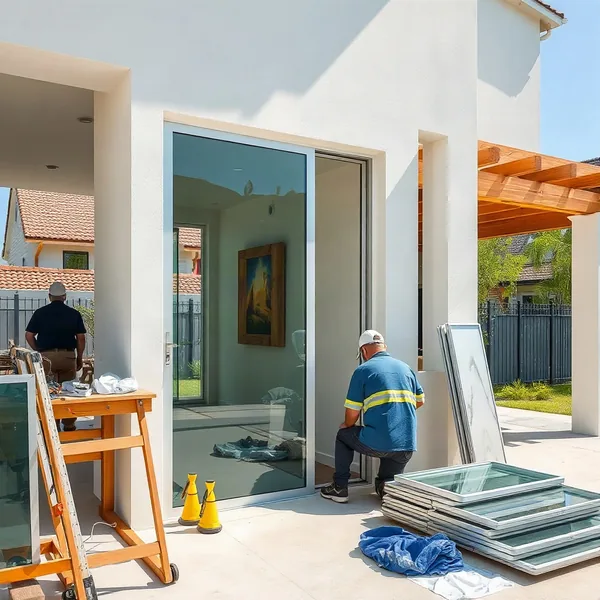
We coordinate permit submissions on behalf of residential and commercial clients, including liaising with licensed structural engineers who produce stamped drawings for the Municipality's Building Department. Permit processing typically adds 10–21 working days to a project timeline, so we advise clients to confirm the permit requirement during the initial site survey rather than after fabrication is complete. For openings that fall within existing non-structural wall sections, a permit may not be required, but this determination must come from a qualified engineer, not from assumptions made on-site.
06
Roller Systems, Track Profiles, and Hardware Weight Ratings
A slim sliding door's long-term performance depends almost entirely on its roller-and-track geometry.
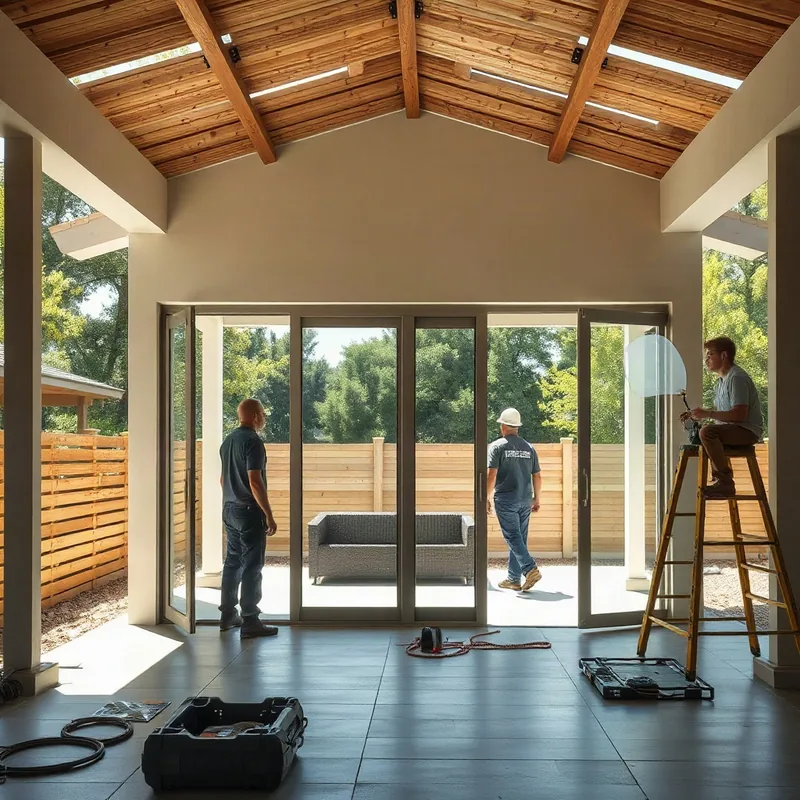
We use top-hung or bottom-rolling assemblies depending on panel height and weight: panels up to 2.4 m tall typically run on bottom rollers rated at 180 kg per leaf, while panels between 2.4 m and 3.2 m shift to top-hung systems with stainless carriages rated at 250 kg. Track profiles are extruded aluminum with a hardcoat anodize finish of 25 microns minimum, which resists the micro-abrasion from silica dust without requiring replacement within a 10-year service window. Multi-panel configurations — bi-parting or stacking pocket layouts common in Dubai villa open-plan renovations — use coordinated soft-close dampers that prevent panel collision at the end of travel, protecting both the glass edge and the track alignment at the fixing point.
07
Integration with Pergolas, Terraces, and Shower Enclosures
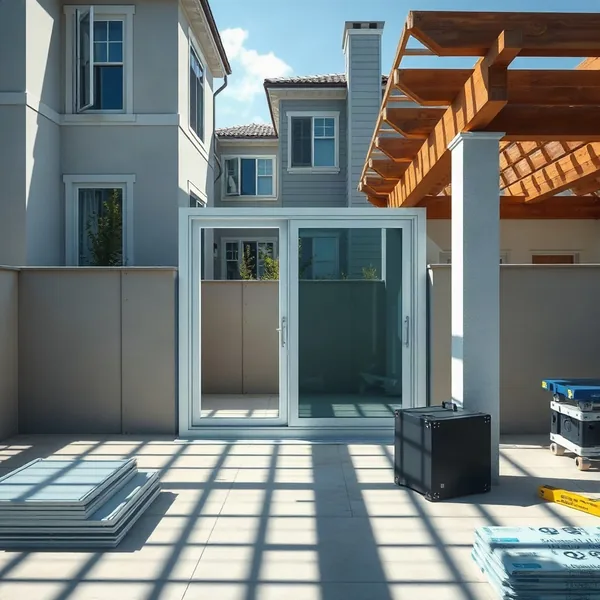
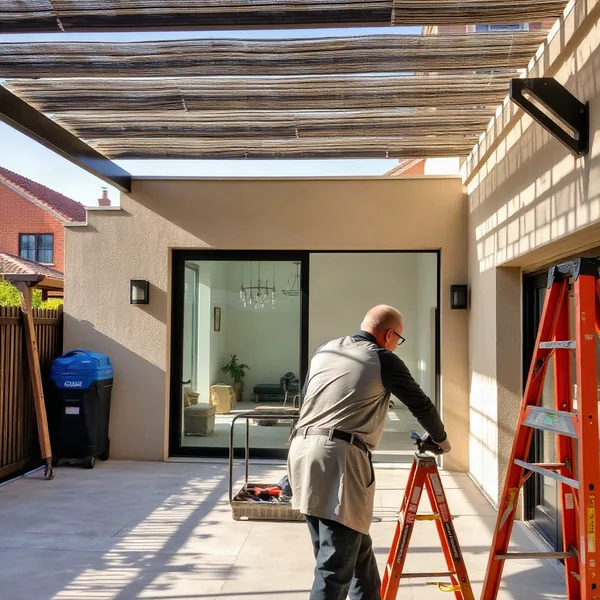
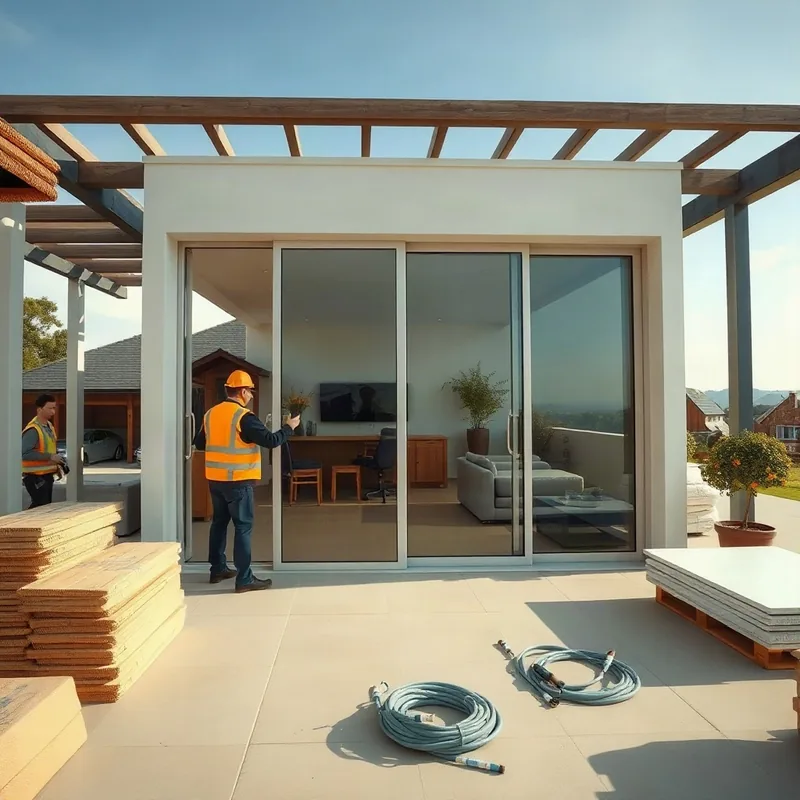
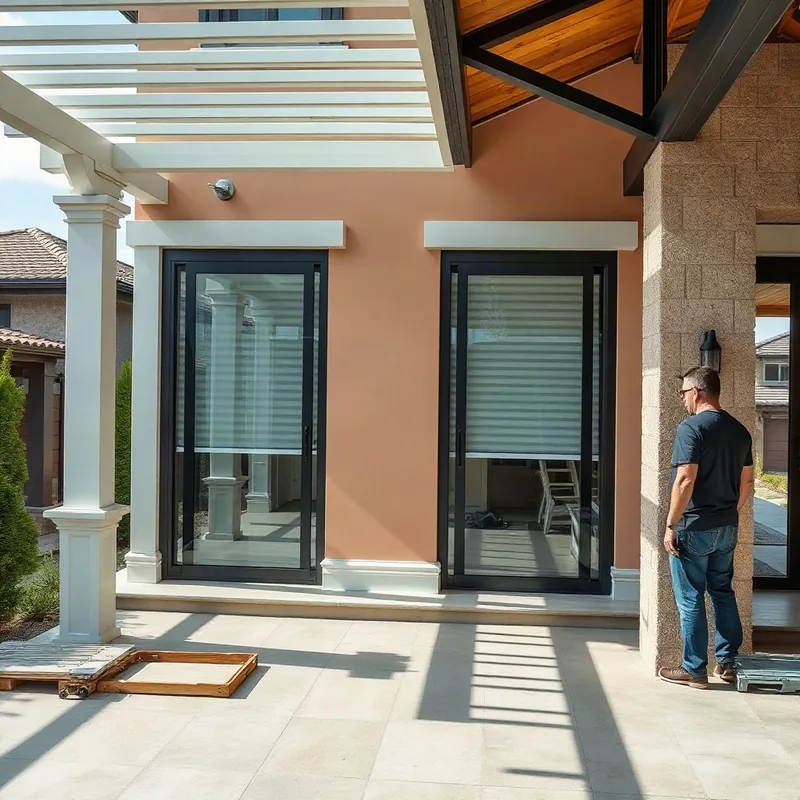
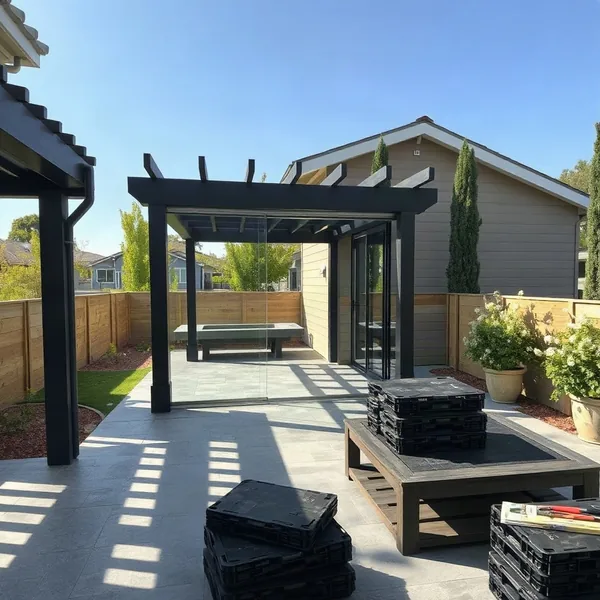
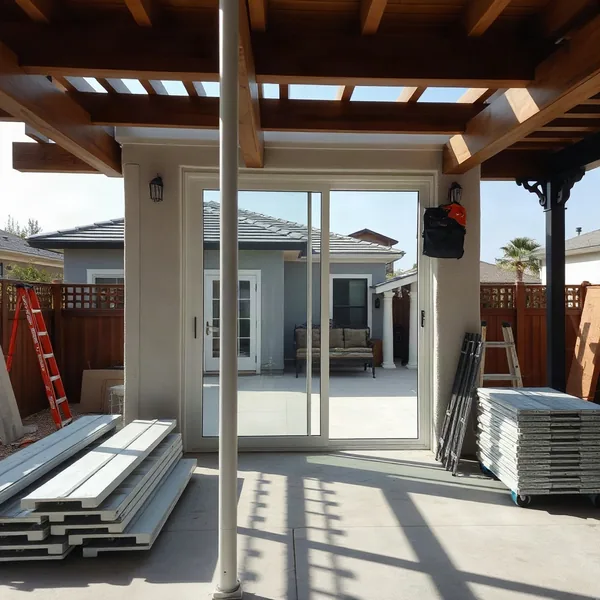
Slim sliding doors appear most frequently in three configurations across our Dubai project portfolio: as terrace-to-living-room transitions beneath pergola or louvered canopy structures, as pool-barrier glazing within villa boundary setbacks, and as oversized shower enclosure entries in master bathrooms. In terrace applications, the door track must be coordinated with the pergola column layout so the sliding panel clears the post face by at least 50 mm in the open position. For shower enclosures, we use a condensed 25 mm bottom track profile to minimize the trip hazard at the entry threshold, combined with a channel drain directly beneath the track to manage water ingress. Each application shares the same core specification — thermally rated aluminum, stainless hardware, coated or low-iron glass — because Dubai's climate demands apply equally indoors and out.